Moderate-load Strength Training: Exploring Studies Comparing Heavy vs Moderate Loads for Sustainable Progress (2025)

Table of Contents
Explore studies comparing heavy vs moderate loads in strength training for sustainable progress
You want steady progress without harsh stress on your joints. You train with intent. You push yourself. You stay consistent. Yet heavy sessions feel hard to maintain each week. Many lifters reach a point where heavy work slows them down. You feel sore for days. Your schedule gets tight. Recovery becomes harder.
Moderate-load strength training offers a path that supports your long-term progress. You still gain size and strength. You protect your joints. You enjoy your sessions. Research shows that moderate loads give strong results when you train with enough effort. This approach fits real life where your time and recovery shift from week to week.
This guide explains what moderate-load strength training means, how it compares to heavy loads, and how to structure your sessions. You also get evidence from trusted studies and a full plan you can apply today.
What moderate-load strength training means
Moderate loads sit between light and heavy training. You work with 40 to 70 percent of your one-rep max. You complete sets of 10 to 20 reps. You slow down near the end of each set as your muscles tire. This approach maximizes muscle fatigue safely.
- Use 40 to 70 percent of one-rep max.
- Complete 10 to 20 reps per set.
- Stop one or two reps short of full failure.
Evidence: Sports science trials show similar muscle growth in moderate-load and heavy-load groups when total volume matches. Sources: Schoenfeld et al., 2016.
Heavy loads vs moderate loads
Strength outcomes
- Heavy loads build maximal force quickly.
- Moderate loads raise strength when weekly volume is sufficient.
- Research shows similar progress in both groups.
Hypertrophy outcomes
- Moderate loads recruit full muscle fibers when pushed near failure.
- Heavy loads produce equal growth if total work is matched.
- Meta-analyses confirm similar muscle size gains.
Joint stress and recovery
- Moderate loads reduce joint stress.
- You can train more frequently without long recovery.
- Recommended for older lifters and beginners.
Why moderate loads support long-term progress
Better form control
Moderate loads allow you to maintain proper form, reduce injury risk, and improve training efficiency.
Higher training volume
More reps lead to higher weekly volume. This drives muscle growth without overloading joints.
Better adherence
Sessions feel achievable. You complete workouts consistently, even during busy weeks.
How to structure a moderate-load program
Weekly layout
- Three or four training sessions per week.
- Two to three working sets per lift.
- Full body or upper/lower split for balanced growth.
Rep and load ranges
- Load: 40–70% of one-rep max.
- Reps: 10–20 per set.
- Last 2 reps near failure.
- Rest 1–2 minutes between sets.
Progress method
- Start at the low end of the rep range.
- Add reps each week.
- Increase load when you reach the top rep range, then reset reps.
Sample training plan
Full body plan
Day A
- Squat: 3 sets of 12–15 reps
- Bench press: 3 sets of 10–12 reps
- Row: 3 sets of 12–15 reps
- Romanian deadlift: 2 sets of 12–15 reps
- Shoulder press: 2 sets of 10–12 reps
Day B
- Leg press: 3 sets of 15–20 reps
- Incline press: 3 sets of 12–15 reps
- Lat pulldown: 3 sets of 12–15 reps
- Hip hinge work: 2 sets of 12–15 reps
- Biceps & triceps: 2 sets each of 12–15 reps
Nutrition support for moderate-load training
Protein targets
Consume 1.6–2.2 g per kg of bodyweight daily. Spread across 3–4 meals. Sources: lean meat, eggs, dairy, beans, or protein powders.
Simple recipe ideas
High-protein bowl

| Ingredient | Amount |
|---|---|
| Chicken | 150 g |
| Rice | 150 g cooked |
| Spinach | 1 cup |
| Olive oil | 1 tbsp |
Smoothie
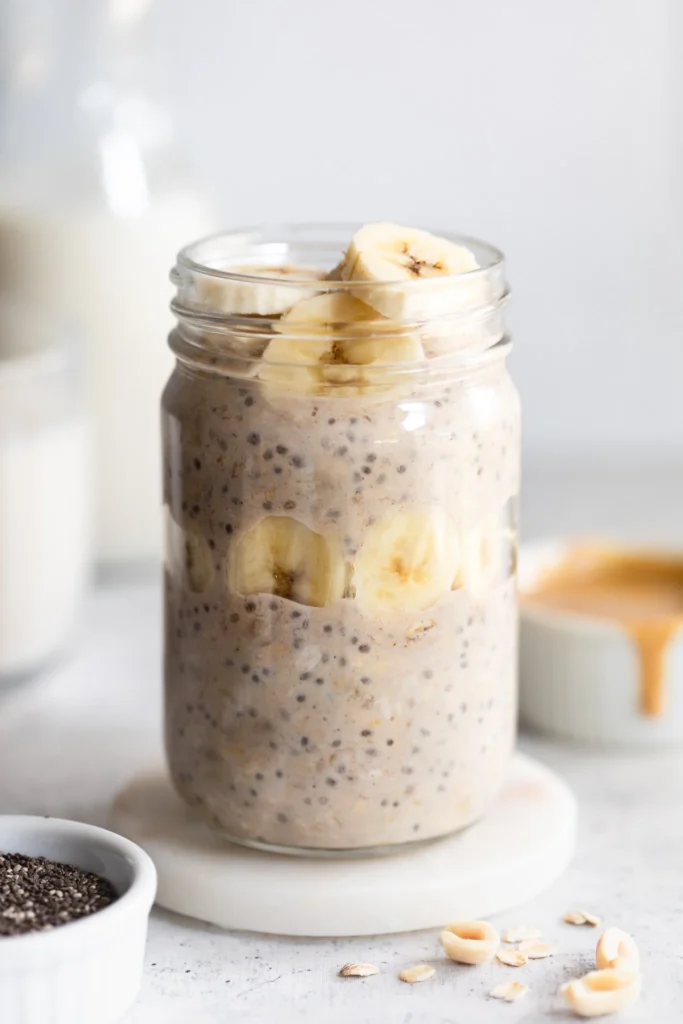
| Ingredient | Amount |
|---|---|
| Greek yogurt | 1 cup |
| Banana | 1 |
| Oats | 30 g |
| Milk | 200 ml |
Common mistakes
Stopping sets too early
Moderate loads require effort. Stopping early limits muscle growth. Push each set near failure.
Low weekly volume
Ensure 10–20 sets per muscle group weekly to maximize gains.
Poor exercise selection
Focus on compound lifts. Use isolation exercises to fill gaps.
FAQ on Less Load, More Gains
Does moderate-load strength training support muscle growth?
Yes. Studies show similar growth to heavy-load training when volume matches.
Does moderate-load work help beginners?
Yes. It allows safer form and steady progress.
Does moderate-load training support fat loss?
Yes. Higher total volume burns more energy during workouts.
Conclusion
Moderate-load strength training supports size and strength without overloading joints. Research confirms strong outcomes when weekly work is consistent. This approach suits beginners, busy lifters, and anyone seeking sustainable gains.
Next steps: Pick 2–3 days this week. Follow the plan above. Track reps and volume. Increase gradually. Your progress will grow steadily over time.
For a long-term plan, custom macros, or a schedule-specific version, contact us to get a tailored program.
Read more about strength training tips and muscle growth strategies to complement this plan.
Check full study details: Schoenfeld et al., 2016