
Sleep Hygiene Hacks: How to Build a Bedtime Routine That Resets Your Circadian Rhythm and Improves Your Health
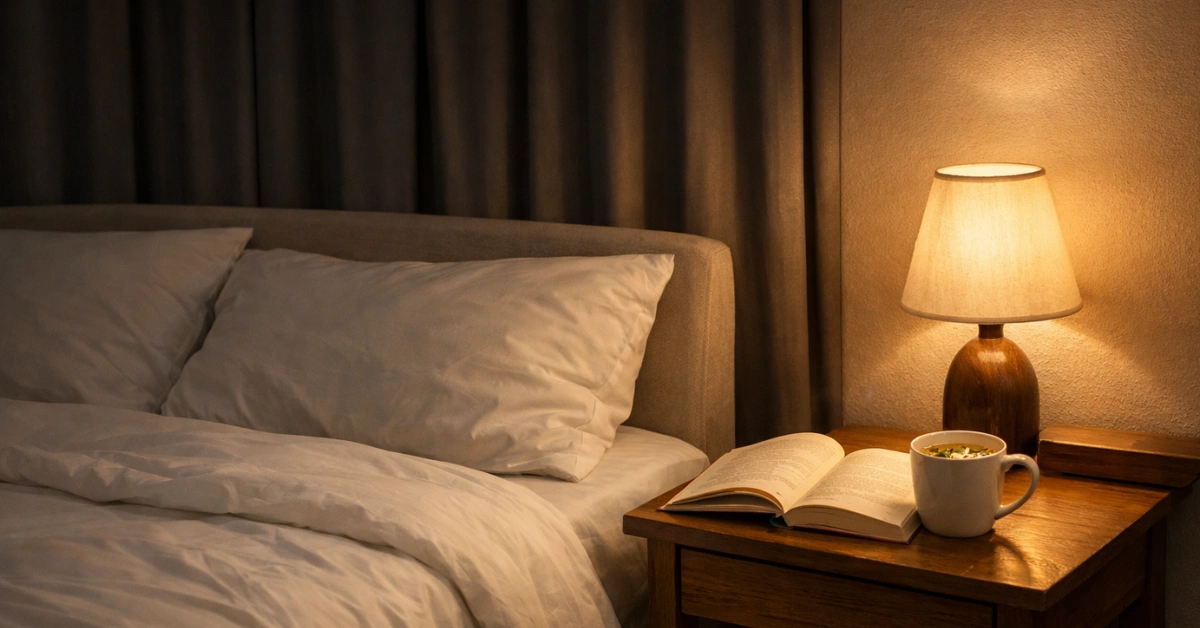
You know the feeling.
You crawl into bed exhausted, convinced tonight will be different. The lights go out, the room is quiet-yet your mind refuses to slow down. Minutes turn into hours. When morning finally comes, you wake up groggy, unmotivated, and already behind.
If this sounds familiar, you’re not alone. More than 35% of adults don’t get enough sleep, and that lack of rest is strongly linked to depression, anxiety, weight gain, and metabolic problems. The issue often isn’t a medical condition-it’s broken habits.
That’s where sleep hygiene hacks come in. These are small, practical changes you can make to your daily routine, environment, and timing to help your body remember how to sleep naturally again. You don’t need expensive gadgets or extreme solutions. You need consistency, intention, and a better understanding of how sleep actually works.
This guide will show you how to build a realistic bedtime routine, protect your circadian rhythm, and finally get the kind of sleep that restores your energy instead of draining it.
Table of Contents
What Is Sleep Hygiene and Why It Matters
Understanding Sleep Hygiene
Sleep hygiene refers to the daily habits and environmental factors that shape how well you sleep. It’s not just about how long you stay in bed-it’s about how deeply and consistently your body moves through healthy sleep cycles.
Good sleep hygiene supports:
- Faster sleep onset
- Deeper, more restorative sleep
- Fewer nighttime awakenings
- Better mood and focus during the day
Poor sleep hygiene, on the other hand, confuses your brain. Late nights, irregular schedules, excessive screen time, and constant stimulation tell your nervous system to stay alert when it should be powering down.
The Hidden Cost of Poor Sleep
When sleep hygiene is ignored, the effects show up far beyond fatigue. Research consistently links chronic sleep deprivation to:
- Increased risk of depression and anxiety
- Slower metabolism and insulin resistance
- Weight gain and higher appetite
- Weakened immune response
- Reduced concentration and memory
Sleep is not passive. It’s an active biological process that repairs your brain, balances hormones, and stabilizes your emotions. Without it, everything feels harder.
The Role of Circadian Rhythm in Healthy Sleep
What Is the Circadian Rhythm?
Your circadian rhythm functions as an internal 24-hour timing system. It signals your body when to stay awake and when to rest. This rhythm regulates essential processes such as:
- Melatonin release
- Cortisol levels
- Body temperature
- Digestive timing
Light exposure, meal timing, activity, and sleep schedules all influence this internal clock. When your circadian rhythm is aligned, sleep comes naturally. When it’s disrupted, even exhaustion doesn’t guarantee rest.
Signs Your Circadian Rhythm Is Off Track
You may have a circadian rhythm imbalance if you:
- Feel overly alert at night but extremely tired in the morning
- Struggle to fall asleep despite being tired
- Experience energy crashes during the afternoon
- Sleep longer but still feel unrefreshed
The good news is that your circadian rhythm is flexible. With the right sleep hygiene hacks, you can reset it.
Sleep Hygiene Hacks That Actually Work
Create a Consistent Bedtime Routine
A strong bedtime routine is one of the most effective sleep hygiene tools available. Your brain learns through repetition. When you follow the same sequence of calming actions each night, your nervous system recognizes it as a signal to power down.
A simple bedtime routine might include:
- Dimming the lights
- Stretching or gentle movement
- Reading something light
- Preparing your bedroom for sleep
The key isn’t complexity—it’s consistency. Going to bed and waking up at the same time every day (yes, even on weekends) anchors your circadian rhythm and improves sleep quality over time.
Optimize Your Sleep Environment
Your bedroom should support sleep, not fight it. Environmental sleep hygiene is often overlooked, yet it has a powerful impact.
Sleep-friendly environment essentials:
- A cool room (around 60–67°F or 15–19°C)
- Minimal noise or consistent white noise
- Complete darkness or blackout curtains
- Comfortable mattress and pillows
Treat your bedroom as a sleep sanctuary. Avoid working, scrolling, or watching TV in bed. When your brain associates the bed only with sleep, falling asleep becomes easier.
Use Light Exposure to Reset Your Circadian Rhythm
Light is the most powerful influence on your circadian rhythm.
Morning light exposure:
- Spend 10–30 minutes outside shortly after waking
- Natural light tells your brain the day has started
- Helps regulate melatonin later that night
Evening light control:
- Switch to warm, dim lighting after sunset
- Limit screens at least one hour before bed
- Enable night mode or blue-light filters when screen use cannot be avoided
These adjustments help your body release melatonin at the right time, making sleep feel effortless instead of forced.
Nutrition-Based Sleep Hygiene Hacks

Foods That Support Better Sleep
What you eat affects how you sleep—especially in the evening. Certain nutrients support relaxation and deeper sleep cycles.
Sleep-supportive nutrients include:
- Magnesium – relaxes muscles and nerves
- Tryptophan – supports melatonin production
- Glycine – improves sleep depth
Avoid heavy, spicy, or sugary meals late at night, as they can raise body temperature and disrupt digestion during sleep.
Bedtime Drinks That Promote Relaxation
Warm, calming drinks can be a powerful part of your bedtime routine.
Sleep-Supporting Drink Recipes
| Drink Name | Ingredients | Sleep Benefits |
|---|---|---|
| Chamomile Calm Tea | Chamomile flowers, hot water | Promotes relaxation and reduces anxiety |
| Golden Milk | Almond milk, turmeric, cinnamon, honey | Supports melatonin and reduces inflammation |
| Magnesium Night Drink | Warm water, magnesium powder, lemon | Relaxes muscles and improves sleep quality |
These drinks work best when paired with a calm environment and consistent timing.

Daytime Habits That Improve Nighttime Sleep
Caffeine and Alcohol Timing
Caffeine can remain in your body for as long as eight hours. Even when you manage to fall asleep, it may decrease the quality and depth of your sleep.
Sleep hygiene rule of thumb:
- Avoid caffeine after early afternoon
- Limit alcohol close to bedtime
While alcohol may make you feel sleepy, it disrupts REM sleep and increases nighttime awakenings.
Exercise and Sleep Hygiene
Movement improves sleep—but timing matters.
Best practices:
- Morning or afternoon exercise supports deeper sleep
- Light stretching or yoga is ideal in the evening
- Avoid intense workouts late at night
Physical activity helps regulate your circadian rhythm and reduces stress hormones that interfere with sleep.
Mental Health, Stress, and Sleep Hygiene
Why Stress Wrecks Your Sleep
Stress keeps cortisol levels high, which directly suppresses melatonin. Even if your body is tired, a stressed mind stays alert.
Poor sleep hygiene and stress often form a cycle:
- Stress disrupts sleep
- Lack of sleep worsens emotional regulation
- Anxiety and low mood intensify
Simple Stress-Reducing Sleep Hygiene Hacks
- Write down worries before bed to clear your mind
- Practice slow breathing (inhale 4 seconds, exhale 6)
- Use body-scan relaxation techniques
These practices calm your nervous system and prepare your brain for rest.
Common Sleep Hygiene Mistakes to Avoid
Even minor habits can disrupt your sleep without you being aware of it.
Avoid these common mistakes:
- Using your bed for work or scrolling
- Sleeping in excessively on weekends
- Taking long naps late in the day
- Forcing sleep instead of relaxing
Sleep happens naturally when conditions are right. Trying too hard often backfires.
How Long Does It Take for Sleep Hygiene Hacks to Work?
Sleep hygiene improvements are gradual but noticeable.
Typical timeline:
- 3–5 days: Falling asleep becomes easier
- 2 weeks: Energy and mood improve
- 30 days: Circadian rhythm stabilizes
Consistency matters more than perfection. Even partial improvements add up.
Frequently Asked Questions About Sleep Hygiene
What does sleep hygiene mean, and why is it important?
Sleep hygiene refers to habits and environmental choices that support quality sleep. It’s important because poor sleep hygiene is linked to depression, metabolic disorders, and reduced mental clarity.
Can sleep hygiene fix insomnia?
Sleep hygiene can significantly improve mild to moderate insomnia. Chronic or severe insomnia may require professional support alongside habit changes.
How does a bedtime routine improve sleep hygiene?
A bedtime routine trains your brain to associate specific actions with sleep, helping your body release melatonin at the right time.
How can you reset your circadian rhythm naturally?
You can reset your circadian rhythm by controlling light exposure, keeping a consistent sleep schedule, and aligning meals and activity with daylight hours.
Conclusion: Small Sleep Hygiene Changes, Big Life Improvements
Better sleep isn’t about willpower-it’s about alignment. When your habits, environment, and timing work with your biology instead of against it, sleep becomes natural again.
By improving your sleep hygiene, building a calming bedtime routine, and protecting your circadian rhythm, you’re not just sleeping better-you’re supporting your mental health, metabolism, and emotional balance.
Your Next Step
Tonight, choose one sleep hygiene hack from this guide and commit to it for the next seven days. Small changes, repeated consistently, create powerful results.
If you found this guide helpful, share it, bookmark it, or leave a comment with the sleep habit you’re starting tonight. Better sleep starts with one intentional step.
Follow us on social media for more tips and updates: Instagram, TikTok, Facebook, Pinterest.
Check out more self-care tips and mindfulness practices on our Mind & Lifestyle page, or explore our other fitness guides on the Home page.