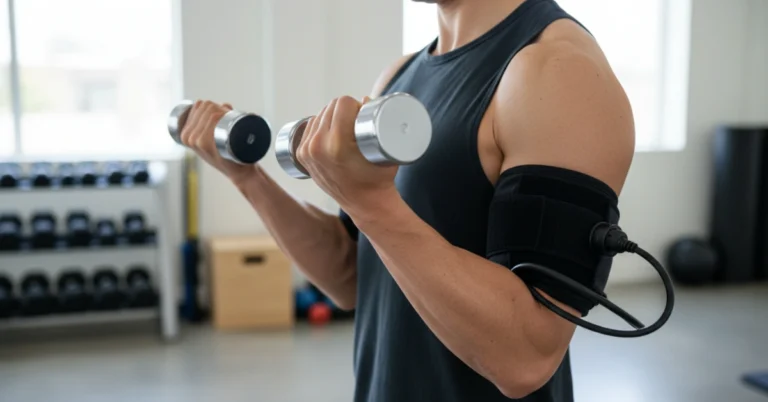
Heart Rate Variability Training: Track Recovery and Unlock Better Performance

You’ve likely experienced this before. You get ready to train feeling mentally prepared, yet your body doesn’t quite match your motivation. You push through the workout anyway, believing that discipline means ignoring fatigue. A few days later, tiredness lingers, progress slows, and frustration sets in.
What if your body could give you clearer feedback before each session?
Heart rate variability training provides exactly that—a way to know when to increase intensity and when to ease off, without relying on guesswork.
This guide explains how heart rate variability (HRV) works, why it matters for performance, and how you can apply it daily to train more effectively, recover faster, and stay consistent over time.
Table of Contents
What Is Heart Rate Variability (HRV)? The Fundamentals
A Simple Explanation of HRV
Heart rate variability describes the slight differences in time between consecutive heartbeats. Even when your heart rate is 60 beats per minute, the intervals between beats are not perfectly equal—and that variation is a positive sign.
HRV is regulated by the autonomic nervous system, which includes two primary components:
- Sympathetic nervous system – activates the body’s stress response (“fight or flight”)
- Parasympathetic nervous system – supports relaxation, recovery, and restoration
When your body manages stress effectively, these systems remain flexible. That flexibility appears as higher HRV values.
Heart Rate vs. HRV: Why Variability Matters
Heart rate and HRV are often confused, but they reflect different aspects of health and readiness:
- Heart rate indicates the speed at which your heart beats.
- HRV reflects how effectively your body responds and adapts to stress.
It’s possible to have a low resting heart rate while still not fully recovered; HRV adds valuable context that helps guide more informed training choices.
Why Heart Rate Variability Training Is Important
The Connection Between HRV and Performance
Training load, sleep quality, mental stress, nutrition, and illness all affect your body through the same nervous system pathways. HRV reflects how well you are handling these combined demands.
Research consistently shows that:
- Higher HRV is linked to better recovery and readiness
- Lower HRV often appears before overtraining, illness, or burnout
- HRV trends relate to endurance capacity, strength output, and mental resilience
In simple terms, HRV helps you identify stress early—before it turns into performance problems.
Advantages of Using HRV Training
Tracking HRV consistently offers benefits that extend well beyond individual workouts:
- More appropriate training intensity choices
- Reduced risk of excessive fatigue or injury
- Improved long-term performance development
- Greater awareness of sleep quality and daily stress
- Increased confidence in training decisions
Rather than relying on fixed schedules, heart rate variability training allows you to adjust based on how your body is actually responding.
How to Measure Heart Rate Variability Accurately
Tools and Devices for HRV Monitoring
You no longer need laboratory equipment to track HRV. Common options include:
- Wearable devices such as WHOOP, Oura Ring, and Garmin
- Chest strap monitors like the Polar H10
- Smartphone apps paired with compatible sensors
Chest straps typically offer the highest accuracy, while modern wearables provide reliable trend data when used consistently.
Best Time and Conditions to Measure HRV
Consistency matters more than perfection. To get reliable data:
- Measure HRV first thing in the morning
- Stay in the same position (lying down or seated)
- Avoid caffeine, movement, or checking your phone beforehand
- Focus on trends rather than single-day changes
When you follow the same routine daily, your HRV data becomes a dependable guide.
Using Heart Rate Variability Training to Guide Your Workouts

Interpreting High vs. Low HRV Scores
HRV is highly individual. What matters most is your personal baseline and how today compares to your normal range.
Higher-than-usual HRV
- Indicates good recovery
- Suggests readiness for challenging sessions
Lower-than-usual HRV
- Signals increased stress or fatigue
- Indicates recovery-focused training may be more effective
One low reading isn’t a failure—it’s feedback.
Adjusting Training Intensity Based on HRV
When HRV Is High
This is your opportunity to challenge your system:
- Heavy strength sessions
- High-intensity intervals
- Speed or power-focused workouts
- Competitive training days
Your body is prepared to absorb stress and adapt.
When HRV Is Low
This isn’t a setback—it’s a strategic adjustment:
- Mobility and flexibility work
- Light cardio (Zone 2)
- Technique-focused sessions
- Shorter, easier workouts
Many athletes progress faster by respecting low-HRV days instead of pushing through them.
HRV and Recovery: Optimizing Sleep, Stress, and Nutrition
Lifestyle Factors That Impact Heart Rate Variability
Your training plan is only part of the equation. HRV responds strongly to everyday habits:
- Sleep quality and consistency
- Hydration levels
- Alcohol intake
- Work and emotional stress
- Travel and schedule changes
Improving these areas often raises HRV without changing your workouts at all.
Recovery Nutrition That Supports HRV
Your nervous system needs adequate fuel to recover. Balanced nutrition plays a subtle but important role in HRV.
Key Nutrients for Recovery and Nervous System Balance
| Nutrient | Food Sources | How It Supports HRV |
|---|---|---|
| Magnesium | Spinach, almonds, pumpkin seeds | Supports relaxation and nerve signaling |
| Omega-3 fats | Salmon, walnuts, chia seeds | Helps manage inflammation |
| Carbohydrates | Rice, oats, potatoes | Restores glycogen and reduces stress response |
| Protein | Eggs, yogurt, lean meats | Supports tissue repair |
Eating enough—especially on hard training days—often improves HRV more effectively than supplements alone.
Common Mistakes in Heart Rate Variability Training
Overreacting to Daily Fluctuations
HRV naturally fluctuates. Reacting emotionally to a single low score often leads to confusion and inconsistency.
Instead:
- Look at weekly averages
- Focus on long-term trends
- Combine HRV data with how you feel
Comparing Your HRV to Others
HRV is highly individual. Age, genetics, training history, and lifestyle all influence your numbers.
A lower HRV doesn’t mean poorer fitness. What matters is your normal range and how it changes over time.
Who Should Use Heart Rate Variability Training?
Is HRV Only for Elite Athletes?
Not at all. Heart rate variability training benefits:
- Endurance athletes managing high volume
- Strength athletes balancing intensity
- Recreational gym-goers avoiding burnout
- Busy professionals managing stress and workouts
- Anyone returning from injury or illness
If your goal is consistency, HRV provides clarity.
FAQ: Heart Rate Variability Training Explained
What is heart rate variability training and how does it work?
Heart rate variability training uses daily HRV data to guide workout intensity and recovery decisions, helping you align training stress with your body’s readiness.
How often should you check HRV for training decisions?
Daily measurements work best when paired with weekly trend analysis. Consistency matters more than frequency.
Can heart rate variability training prevent overtraining?
Yes. HRV often declines before performance drops, allowing you to adjust early instead of reacting after fatigue sets in.
Is heart rate variability training useful if you’re not an athlete?
Absolutely. HRV reflects stress, sleep quality, and overall recovery, making it valuable for general health and wellness.
Conclusion: Train Smarter by Listening to Your Body
You don’t need more motivation—you need better information. Heart rate variability training gives you a clear signal from your body, helping you balance effort and recovery with confidence.
When you stop training blindly and start responding to real feedback, progress becomes steadier, setbacks become rarer, and workouts feel purposeful again.
Your Next Step
Start tracking your HRV for the next two weeks. Don’t change anything at first—just observe. Patterns will emerge faster than you expect, and those insights can reshape how you train for years to come.
If you’re ready to train with awareness instead of assumptions, HRV is your starting point.
Follow us on social media for more tips and updates: Instagram, TikTok, Facebook, Pinterest.
Check out more fitness and nutrition guides on our Fitness & Performance category, or explore our other fitness guides on the Home page.