Resistance Training Sleep Quality: How Resistance Training Improves Your Sleep According to Research

Resistance training sleep quality benefits have become a major focus in recent research, showing how strength-based workouts can directly support deeper, more restorative rest. You’ve probably had nights where you fell into bed exhausted, hoping to drift off instantly-yet your brain stayed alert while your body begged for rest. Maybe you turned from side to side, replaying tasks, stress, or unfinished thoughts. If this feels familiar, you’re not alone. But here’s the surprising part: a simple shift in your daily routine-adding resistance training-may improve the quality of your sleep more than you expect.
Many people think of resistance training only in terms of muscle strength or aesthetics, but research now shows it influences something much deeper: your sleep quality, your recovery cycles, and your internal rest patterns. When you practice resistance training consistently, your muscles communicate signals that encourage calmness, hormonal balance, and improved nighttime rest. In fact, studies examining resistance training sleep quality improvements show that your body responds to strength workouts by preparing itself for deeper, more stable sleep.
When your muscles work during the day, your sleep often works better at night. And that’s where your journey to better rest begins-by understanding how resistance training affects sleep quality and how you can use it to naturally enhance your nightly recovery.
Table of Contents
What Resistance Training Is and Why It Impacts Your Sleep

Understanding the Basics of Resistance Training
When you hear “resistance training,” you might think of heavy barbells or gym machines, but the truth is much simpler. Resistance training includes anything that challenges your muscles with force-your body weight, a simple resistance band, or moderate dumbbells. You’re not required to perform extreme or complicated movements. You only need enough tension to nudge your body toward adaptation and support better resistance training sleep quality results.
By including exercises like squats, push-ups, or rows, you push your muscles to work. As they fatigue and rebuild, they send specific signals to your hormonal and nervous systems. These signals play a direct role in the resistance training sleep quality improvements your body experiences, helping you settle into deeper and more restorative rest.
How Your Muscles Influence Your Sleep System
When you perform resistance exercises, your muscles release substances that balance your internal processes. These changes help:
- Lower tension stored in the body
- Reduce stress-related hormones
- Regulate your daily rhythm
- Prepare your system for deeper, restorative sleep
When you challenge your muscles, your body wants recovery. And one of the quickest ways your system restores itself is through quality rest.
What the Research Says About Resistance Training and Sleep Quality
Key Studies Showing Real Sleep Improvements
In several studies, adults who practiced resistance training reported stronger improvements in sleep than those who didn’t exercise at all. When researchers tracked sleep duration, deep-sleep cycles, and nighttime awakenings, the changes were significantly better among people who included strength training in their weekly routine.
Some studies even recorded 20–30% increases in sleep efficiency, meaning participants fell asleep faster, stayed asleep longer, and woke up less frequently throughout the night.
This isn’t a small difference—your body notices it, your mind feels it, and your energy levels reflect it.
Evidence-Based Sleep Benefits
To break it down, resistance training helps your sleep quality by:
- Decreasing the time it takes for you to fall asleep
- Increasing the percentage of deep sleep (the most restorative phase)
- Reducing nighttime wake-ups
- Boosting morning alertness and physical recovery
These results appear consistently across different age groups—from young adults to seniors.
Why Resistance Training Often Outperforms Cardio for Better Sleep
Strength Training vs. Aerobic Training
Both cardio and resistance training offer health benefits, but when it comes to sleep, resistance training tends to produce stronger improvements. Why? Because resistance exercises create unique physiological responses.
When you lift, push, or pull resistance, your body generates muscular fatigue that encourages deeper rest later. Cardio can help too, but many people find that resistance training offers a stronger balancing effect on mood, stress, and rest.
Psychological Benefits that Improve Sleep
You’ve likely noticed that your mental state affects your nights. Resistance training has a unique ability to:
- Lower daily anxiety
- Improve mood regulation
- Strengthen emotional resilience
- Build confidence through physical capability
When your mind feels grounded and your body feels worked, it becomes easier to settle into restful sleep.
Best Resistance Training Routine for Better Sleep
How Often You Should Train for Sleep Improvements
You don’t need an advanced program to notice results. Most research suggests 2–4 sessions per week are enough to support measurable improvements in sleep quality.
You can modify the intensity according to what feels comfortable for you. The key is consistency, not perfection.
Choosing the Best Time of Day to Train
If your goal is to boost your nighttime rest, the early evening or late afternoon window can be ideal. Your body temperature and strength peak around these times, making your workout more efficient.
You can still exercise in the morning if it fits your schedule, but avoid very intense sessions right before bed. Your system needs time to unwind.
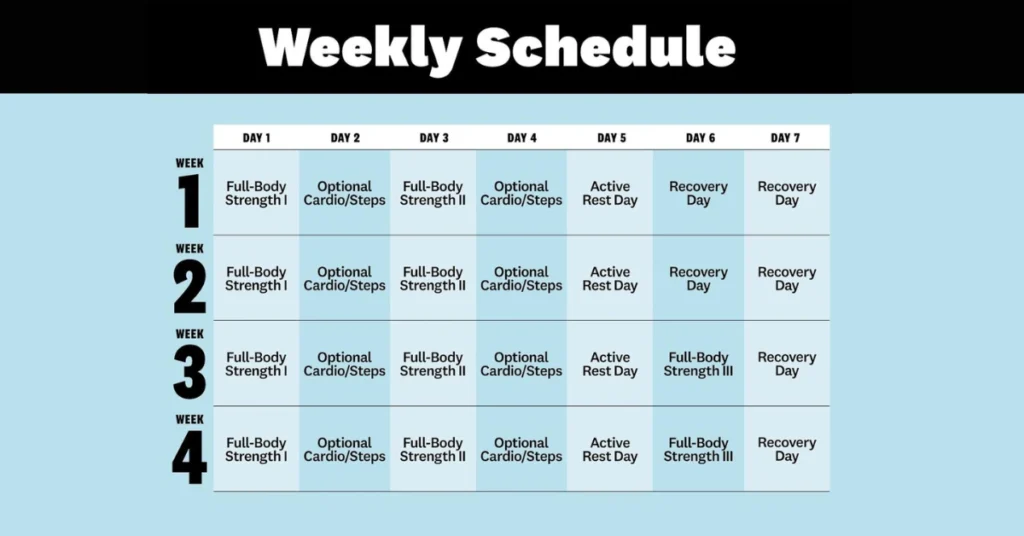
Sample Weekly Training Schedule
Here’s a simple structure you can follow:
- Day 1: Upper body routine (push and pull movements)
- Day 2: Lower body routine (legs and glutes)
- Day 3: Full-body mix
- Day 4: Optional light resistance training + stretching
This structure is balanced, beginner-friendly, and ideal for supporting restful sleep.
Resistance Training Exercises That Support Sleep Quality
Beginner-Friendly Exercises You Can Start With
You don’t need to enter the gym to see benefits. You can use whatever equipment you have—your home is enough.
Here are simple movements that support sleep-boosting benefits:
- Squats
- Push-ups (or wall push-ups if you’re starting)
- Dumbbell or water-bottle rows
- Glute bridges
- Planks
- Light deadlifts or kettlebell movements (optional)
Why These Exercises Help Your Sleep
These movements activate major muscle groups, improve posture, and reduce tension through natural muscle fatigue. When your muscles release pressure built up throughout the day, your sleep system receives a strong recovery signal.
Nutrition Tips to Boost Your Resistance Training Sleep Quality Results
Foods That Support Sleep
Your nutrition plays a direct role in your sleep quality. Because resistance training pushes your muscles to repair during sleep, your body relies on nutrients to support the process.
Great sleep-supporting foods include:
- Magnesium-rich foods (spinach, nuts, seeds, bananas)
- Protein sources that support muscle recovery (fish, eggs, yogurt)
- Slow-digesting carbohydrates (oats, brown rice, quinoa)
These foods help regulate your nervous system and stabilize your energy before bed.
Sleep-Boosting Post-Workout Recipes (With Tables)

High-Protein Banana Oat Smoothie
| Ingredient | Quantity |
|---|---|
| Oats | 1/2 cup |
| Banana | 1 medium |
| Greek yogurt | 1 cup |
| Milk (any type) | 1 cup |
| Honey | 1 tbsp |
Recovery Chicken Bowl
| Ingredient | Quantity |
|---|---|
| Grilled chicken | 150g |
| Brown rice | 1 cup |
| Steamed broccoli | 1 cup |
| Olive oil | 1 tbsp |
| Lemon juice | 1 tsp |
Both recipes supply a balance of carbohydrates, proteins, and micronutrients that help your body settle into recovery mode.
Common Mistakes That Damage Sleep Instead of Helping It
Even though resistance training can support your sleep, mistakes in your routine can have the opposite effect.
Here are issues to avoid:
- Training too late at night
- Overworking your muscles without rest days
- Skipping proper nutrition
- Ignoring warm-up and cool-down routines
When you keep your training balanced, you protect both your progress and your sleep.
FAQs: Resistance Training and Sleep Quality
What if resistance training makes you feel too energized at night?
Try lighter workouts, reduce intensity, and avoid exercising right before bedtime.
How long does it take before you notice sleep improvements?
Most people see changes in 2–4 weeks, especially if they train consistently and follow a routine that supports resistance training sleep quality results.
Is resistance training better for sleep than cardio?
For many people, yes. Research shows resistance training can create larger improvements in sleep quality and reduce insomnia symptoms.
Can beginners also benefit?
Absolutely. You don’t need heavy weights. Simple bodyweight exercises can improve your sleep and still support resistance training sleep quality progress.
When should you exercise for the best sleep quality?
Early evening or late afternoon sessions often create the best nighttime rest.
Conclusion
By now, you can see that resistance training goes far beyond building strength. You’re not only shaping your muscles—you’re shaping your energy, your stress response, and your sleep patterns. When you train consistently, your body naturally moves toward deeper, more restorative rest, and this is where resistance training sleep quality benefits become especially noticeable.
If you want to feel more energized, fall asleep faster, and wake up refreshed, resistance training is a powerful and natural solution. When you apply it consistently, you give your body the ideal conditions to experience stronger resistance training sleep quality improvements.
Call to Action
If you’re ready to improve your sleep quality, start with just two resistance training sessions this week. You’ll quickly notice how your nights begin to change-and your days feel lighter, clearer, and more in control as resistance training sleep quality benefits start to appear. Let me know if you want a custom weekly routine, a meal plan, or a beginner-friendly workout program to help you get started.
Follow us on social media for more tips and updates: Instagram, TikTok, Facebook, Pinterest.
Check out more fitness and nutrition guides on our Fitness & Performance category, or explore our other fitness guides on the Home page.