Breathwork for Anxiety Relief: Simple Breathing Exercises for Deep Relaxation and Lasting Calm
Anxiety has a way of showing up uninvited. One moment you’re going about your day, and the next your chest feels tight, your thoughts start racing, and your breath becomes shallow without you even realizing it. If you’ve ever felt like anxiety hijacks your body before your mind can catch up, you’re not alone.
Here’s the part most people don’t realize: your breathing pattern often leads your anxiety, not the other way around. The way you breathe sends constant signals to your nervous system, shaping how safe or threatened you feel. When you learn how to work with your breath-intentionally and gently-you give your body a clear message that it’s okay to slow down.
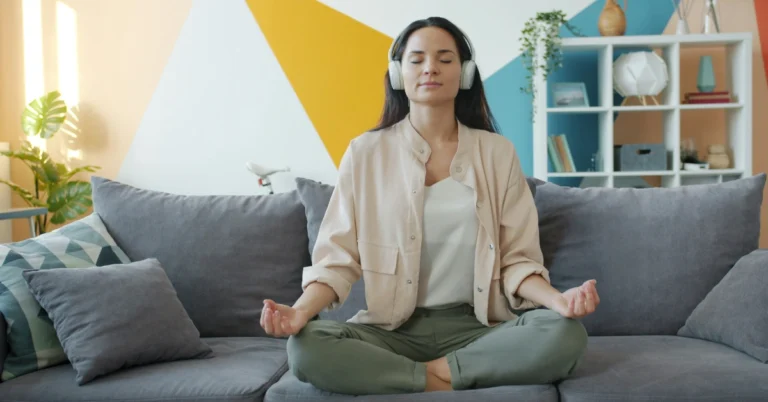
This article walks you through breathing exercises for anxiety, explains why breathwork for anxiety relief is so effective, and shows you how to build simple habits that support relaxation in everyday life. Everything here is practical, approachable, and designed to meet you where you are.
Table of Contents
What Is Breathwork and Why It Matters for Anxiety Relief
Understanding Breathwork
Breathwork refers to the conscious practice of controlling your breathing pattern to influence your physical and emotional state. You already breathe automatically, but when anxiety is present, that automatic breathing often becomes fast, shallow, and centered in the chest.
When you practice breathwork, you intentionally:
- Slow your breathing
- Deepen each inhale and exhale
- Shift the breath lower into the diaphragm
- Create rhythm and consistency
This matters because your breath is one of the few bodily functions you can control that also directly affects your nervous system. With consistent breathwork, you’re not just calming yourself in the moment-you’re training your body to respond differently to stress over time.
How Anxiety Affects Your Breathing
When anxiety hits, your body enters fight-or-flight mode. This response evolved to protect you from danger, but in modern life it’s often triggered by emails, deadlines, or internal worries rather than real threats.
In this state:
- Breathing becomes rapid and shallow
- Oxygen levels fluctuate
- Carbon dioxide balance shifts
- Muscle tension increases
- The heart rate speeds up
Shallow breathing reinforces anxious sensations, creating a feedback loop. You feel anxious, your breath becomes tight, and that tight breathing tells your brain that something is wrong. Breathing exercises for anxiety interrupt this cycle by sending a new signal: you are safe enough to slow down.
The Science Behind Breathing Exercises for Anxiety
Breathwork and the Nervous System
Your nervous system has two main modes:
- Sympathetic (alert, stressed, reactive)
- Parasympathetic (calm, relaxed, restorative)
Anxiety keeps you locked in sympathetic mode. Slow, intentional breathing activates the parasympathetic response through the vagus nerve, which runs from your brain to your lungs, heart, and digestive system.
When you breathe slowly and deeply:
- Heart rate decreases
- Blood pressure lowers
- Cortisol (stress hormone) drops
- Muscles begin to relax
- Mental clarity improves
This is why breathwork isn’t just a mental trick. It creates measurable physical changes that support anxiety relief and relaxation.
Best Breathing Exercises for Anxiety and Relaxation
Each technique below serves a different purpose. You don’t need to master all of them. Start with one that feels manageable and build from there.
1. Diaphragmatic Breathing (Belly Breathing)
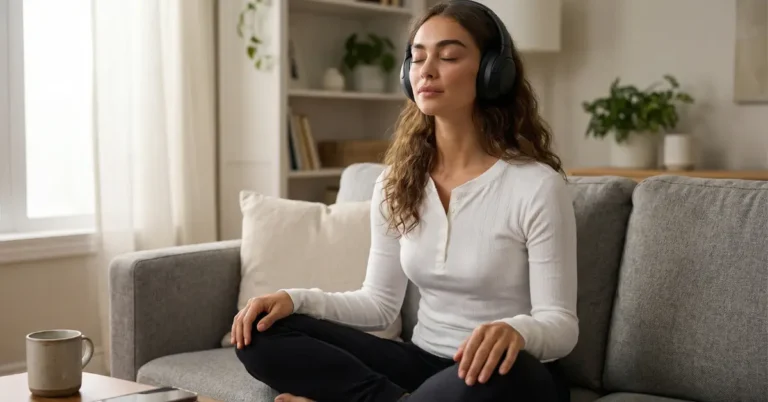
This is one of the most effective and accessible breathing exercises for anxiety. It retrains your body to breathe deeply instead of shallowly.
How to practice:
- Sit or lie down in a comfortable position
- Put one hand on your chest and the other on your belly
- Inhale slowly through your nose
- Allow your abdomen to rise while keeping your chest mostly still
- Exhale slowly through your mouth
- Repeat for 5–10 minutes
Why it works for anxiety relief:
- Encourages full oxygen exchange
- Reduces muscle tension
- Slows heart rate naturally
- Signals safety to your nervous system
This technique works well for daily stress, background anxiety, or moments when you feel slightly on edge.
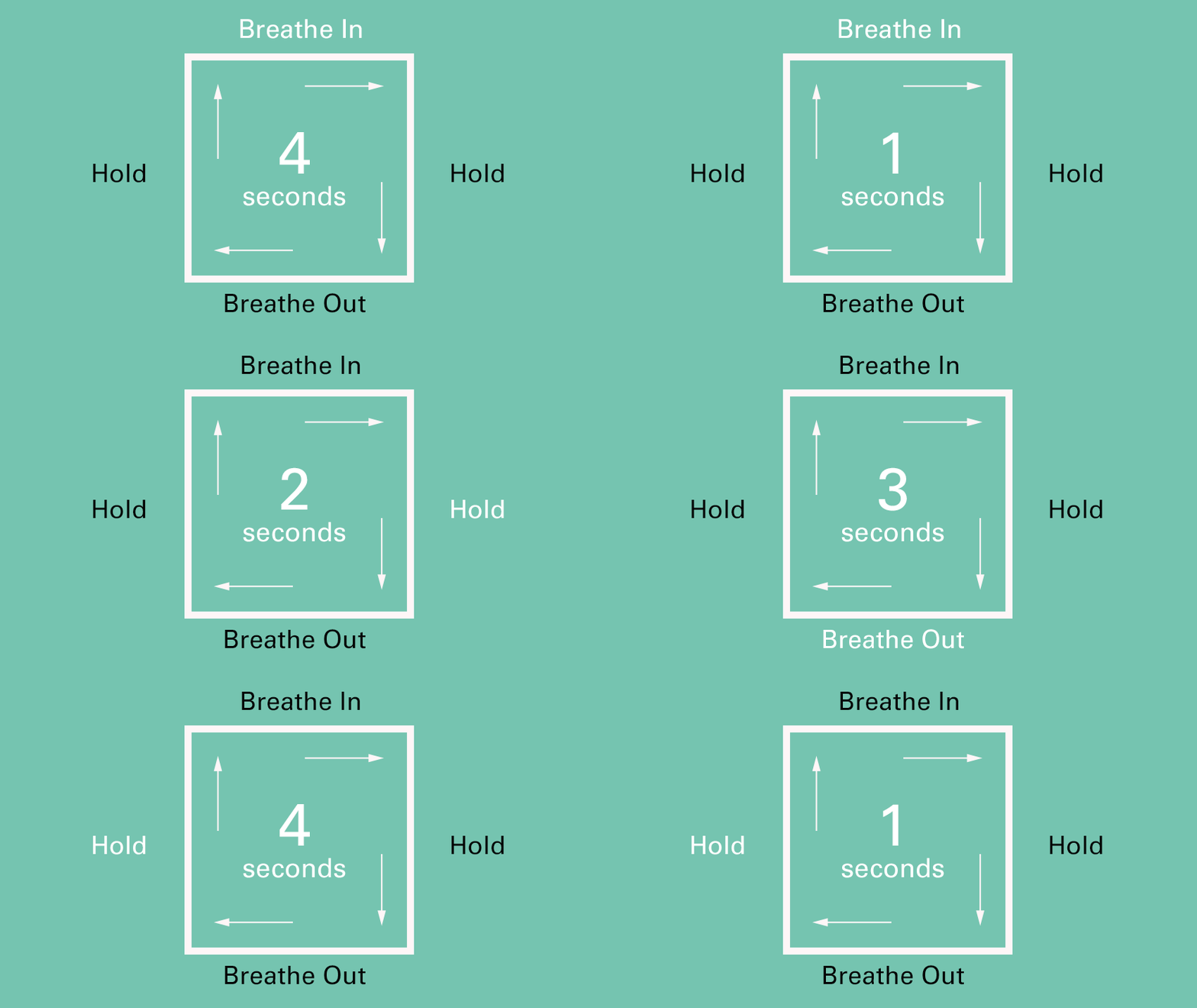
2. Box Breathing for Anxiety Relief
Box breathing is structured and rhythmic, which makes it especially useful when your mind feels scattered or overwhelmed.
How it works (4-4-4-4 pattern):
- Inhale through your nose for 4 seconds
- Hold your breath for 4 seconds
- Exhale through your mouth for 4 seconds
- Hold again for 4 seconds
- Repeat for 4–6 rounds
Benefits of box breathing:
- Restores a sense of control
- Grounds your attention in the present moment
- Reduces physical symptoms of stress
- Useful during panic or high-pressure situations
If your anxiety comes with mental overthinking, this technique helps anchor your focus.
3. 4-7-8 Breathing for Deep Relaxation
This method emphasizes long exhales, which are especially calming for the nervous system.
How to practice:
- Inhale quietly through your nose for 4 seconds
- Hold the breath for 7 seconds
- Exhale slowly through your mouth for 8 seconds
- Repeat for up to 4 cycles
Why it supports relaxation:
- Lengthened exhalation reduces nervous system arousal
- Slows racing thoughts
- Encourages sleep readiness
- Helps release emotional tension
This technique works particularly well at night or during moments when anxiety prevents rest.
4. Alternate Nostril Breathing (Mindfulness Breathwork)
This breathing exercise comes from traditional yogic practices and focuses on balance and awareness.
How to practice:
- Sit upright with a relaxed posture
- Close your right nostril with your thumb
- Inhale slowly through your left nostril
- Close the left nostril with your finger
- Exhale through the right nostril
- Reverse the process
- Continue for 5 minutes
Benefits for anxiety relief:
- Balances the nervous system
- Improves focus
- Reduces mental chatter
- Encourages mindfulness and calm
This is a good option when anxiety shows up as restlessness or difficulty concentrating.
Creating a Daily Breathwork Routine for Anxiety Relief
How Often Should You Practice Breathwork?
Consistency is more important than session length. You don’t need hour-long practices to feel the benefits.
A realistic approach:
- 5 minutes in the morning
- 3-5 minutes during stressful moments
- 5 minutes before bed
Short, frequent practice teaches your nervous system to recognize calm as a familiar state rather than something rare.
Combining Breathwork with Mindfulness
Breathwork becomes even more effective when paired with mindfulness. This doesn’t mean clearing your mind. It means noticing what’s happening without judgment.
You can:
- Focus on the sensation of air entering and leaving
- Observe how your body responds to slower breathing
- Gently bring attention back when your mind wanders
Over time, this combination builds emotional resilience and long-term anxiety relief.
Natural Relaxation Support: Calming Herbal Drinks
Breathwork works well on its own, but some people find comfort in pairing it with calming rituals.
Relaxation Tea Recipe
| Ingredient | Quantity | Anxiety-Relief Benefit |
|---|---|---|
| Chamomile | 1 teaspoon | Supports calm and sleep |
| Lavender | ½ teaspoon | Eases nervous tension |
| Lemon Balm | 1 teaspoon | Reduces stress response |
| Warm Water | 1 cup | Creates soothing ritual |
How to use:
Sip slowly while practicing diaphragmatic breathing. The ritual itself reinforces relaxation.
Note: Always check for allergies or interactions before using herbs regularly.
Common Mistakes When Using Breathwork for Anxiety
Even helpful practices can feel frustrating if approached incorrectly.
Avoid these common issues:
- Forcing the breath instead of allowing it
- Expecting immediate, dramatic results
- Practicing only during crisis moments
- Ignoring physical discomfort or dizziness
Breathwork is meant to feel supportive, not demanding. Gentle consistency leads to lasting change.
FAQ: Breathwork for Anxiety Relief
Can breathwork really help with anxiety relief?
Yes. Breathwork directly influences the nervous system, helping your body shift out of stress mode. With regular practice, it reduces both physical and emotional symptoms of anxiety.
How long does breathwork take to calm anxiety?
Some people notice relief within minutes. Long-term benefits develop with consistent practice over weeks.
Is breathwork safe during panic attacks?
Gentle techniques like slow exhalations or box breathing are generally safe. If panic attacks are severe or frequent, professional guidance is recommended.
Can you practice breathwork anywhere?
Yes. Most breathing exercises for anxiety can be done sitting at your desk, in your car, or lying in bed.
Conclusion: You Already Have the Tool You Need
Your breath is always with you. You don’t need special equipment, perfect conditions, or years of training to use it effectively. By practicing breathwork for anxiety relief, you give yourself a reliable way to calm your body, steady your mind, and reconnect with a sense of control.
Anxiety doesn’t disappear overnight, but each intentional breath shifts the balance. Over time, those small shifts add up to greater resilience and deeper relaxation.
Call to Action
Start today. Choose one breathing exercise from this article and practice it for five minutes. Notice how your body responds-not with pressure, but with curiosity.
If you found this guide helpful:
- Share it with someone who struggles with anxiety
- Bookmark it for daily practice
- Explore building a personalized breathwork routine that fits your life
Your next calm moment is already waiting-one breath at a time.
Follow us on social media for more tips and updates: Instagram, TikTok, Facebook, Pinterest.
Check out more self-care tips and mindfulness practices on our Mind & Lifestyle page, or explore our other fitness guides on the Home page.
Your mental health doesn’t need extremes. It needs consistency, compassion, and movement that works with you-not against you.