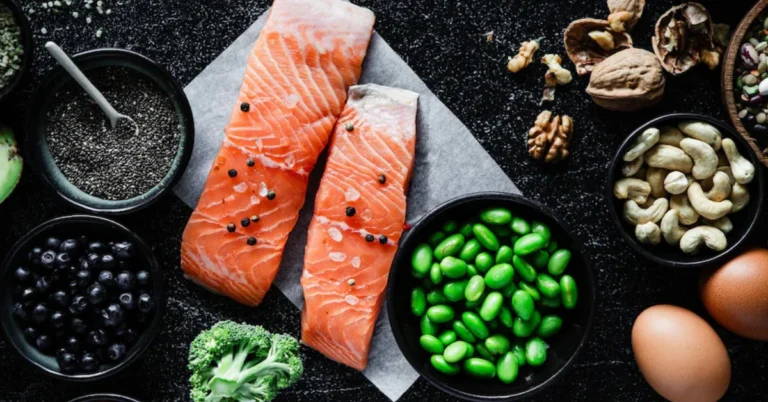
Low-Sugar Diet Health Benefits: What It Does for Your Body
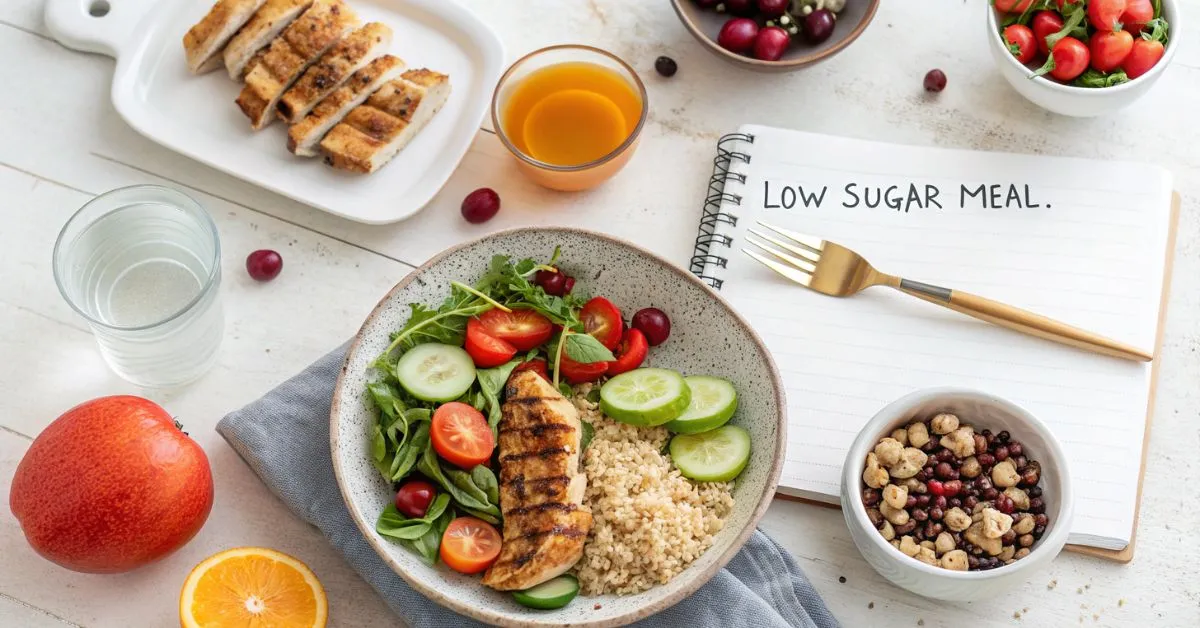
Low-sugar diet health benefits are probably already on your mind, because you suspect that sugar is doing your body no favors, but it can be hard to imagine what life actually looks like when you cut it back in a realistic way. A low-sugar diet is not a harsh punishment or a trend; it is a practical, sustainable shift that helps you feel lighter, clearer, and more in control of your health, and those low-sugar diet health benefits build up day after day. When you reduce excess sugar, your energy steadies, your mood becomes more predictable, and your body finally gets a break from the constant rollercoaster of spikes and crashes. This guide walks you step by step through the health benefits of a low-sugar diet, how to start, what to eat, and how to handle cravings, so you can create a way of eating that actually fits your life and your goals.
Table of Contents

What a Low-Sugar Diet Really Means
A low-sugar diet is about taming added sugar, not fearing every gram of carbohydrate, and you start to notice low-sugar diet health benefits as soon as your daily intake comes down. You focus on cutting down sweets, sugary drinks, and ultra-processed food while keeping nutrient-dense carbs like fruit, whole grains, and legumes in reasonable portions.
You reduce added sugar from sodas, candies, pastries, sweetened cereals, flavored yogurts, and many packaged foods.
You still include natural sugars in whole foods like fruits and plain dairy, which come with fiber, protein, and micronutrients that reinforce low-sugar diet health benefits over time.
Health organizations generally recommend keeping added sugar to a small slice of your daily energy intake, often below about 5–10% of your total calories. This alone can make a noticeable difference in how you feel day to day.
Low-Sugar Diet Health Benefits for Your Body

Easier Weight Management
When you lower your added sugar intake, you naturally reduce a lot of “empty calories” that do not keep you full for long. Sugary foods often bypass your satiety signals, which means you can eat a lot before feeling satisfied.
- You are less likely to overeat because your meals become richer in protein, fiber, and healthy fats.
- Your waistline benefits, as high added sugar intake is linked with more abdominal fat and higher rates of overweight and obesity.
This does not require extreme dieting. A series of small sugar cuts across your day often leads to steady, sustainable weight changes.
Better Blood Sugar and Lower Diabetes Risk
Every time you down a sugary drink or dessert, your blood sugar shoots up quickly and your body releases a surge of insulin to pull it back down. Over time, that constant demand can wear on your system.
- A low-sugar diet smooths out those spikes, easing the pressure on your pancreas and supporting better insulin sensitivity.
- Lower sugar intake is associated with reduced risk of type 2 diabetes and better long-term blood sugar control, especially when you combine it with movement and weight management.
If you are already in the “prediabetes” zone, this is one of the most powerful lifestyle levers you can pull.
Stronger Heart and Healthier Blood Vessels
High sugar intake does not just affect your weight; it also affects your heart and circulation.
- Diets high in added sugar are linked with higher triglycerides, lower “good” HDL cholesterol, and a greater risk of high blood pressure.
- Shifting to a low-sugar pattern, especially when you swap sweets for whole foods and healthy fats, supports better blood lipid profiles and overall cardiovascular health.
You are not just cutting risk; you are building a heart-friendly way of eating that benefits you for decades.
Improved Liver Health
Your liver has to handle the flood of sugar you take in, especially sugars with a high fructose content.
- Regular intake of sugary drinks and heavily sweetened foods is linked to non-alcoholic fatty liver disease, even in people who do not drink alcohol.
- Reducing added sugar can lower liver fat and improve some markers of liver function, sometimes within weeks, depending on your starting point and overall lifestyle.
If your doctor has ever mentioned fatty liver or abnormal liver tests, cutting sugar is one of the first actions to consider.
Energy, Mood, and Skin: The Everyday Wins
Steadier Energy and Sharper Focus
You know that afternoon crash that has you reaching for coffee or something sweet? That is often the direct result of a sugar spike and crash.
- On a low-sugar diet, your blood glucose rises and falls more gradually, which keeps your energy more stable across the day.
- You may notice clearer thinking, fewer “foggy” moments, and better productivity because your brain is no longer riding the same sugar rollercoaster.
The more stable your blood sugar, the more predictable your energy.
More Balanced Mood and Stress Response
Sugar can briefly lift your mood, but the rebound is rarely pleasant.
- Higher sugar intake is associated with greater mood swings and a higher risk of depressive symptoms in some people.
- When you shift to a low-sugar diet rich in whole foods, you support more stable neurotransmitter function and a less volatile mood profile.
Your emotional “baseline” becomes calmer, which can make daily stress easier to handle.
Skin, Bloating, and Inflammation
Your skin and digestion often reflect what is happening inside your body.
- Excess sugar can drive inflammation and processes that damage collagen, potentially making acne, puffiness, and visible aging worse.
- Many people notice that when they cut back on added sugar, their skin looks calmer and their bloating decreases as overall inflammation drops.
Think of a low-sugar diet as a quiet internal clean-up operation that shows on the outside.
Long-Term Disease Protection
Starting Early, Protecting Your Future
If you lower sugar earlier in life, you may set yourself up for major health advantages.
- Research suggests that a low-sugar pattern in childhood and youth can reduce the lifetime risk of type 2 diabetes and high blood pressure.
- When you grow up eating less sugar, your taste buds adapt, and you naturally prefer less-sweet foods later, making healthy choices feel easier, not forced.
Even if you are already an adult, shifting now still benefits your long-term metabolic health.
Lower Risk of Metabolic Syndrome and Chronic Illness
Metabolic syndrome is a cluster of issues—waist size, blood pressure, blood sugar, triglycerides, and low HDL—that boost your risk for many chronic diseases.
- High sugar intake is strongly tied to this cluster, while a low-sugar diet supports healthier levels across these markers.
- Over time, you reduce your risk of heart disease, diabetes, and some other chronic conditions when you combine a low-sugar diet with movement and other healthy habits.
You are not simply “on a diet”; you are developing habits that help protect your long-term health.
How Much Sugar Is Too Much?
Different agencies give slightly different numbers, but they all agree on the same idea: less added sugar is better.
- Many guidelines suggest staying below roughly 6–12 teaspoons of added sugar per day, depending on your total calorie needs.
- You do not have to obsess over exact grams; instead, you can use labels and patterns. When you check a product, look for “added sugars” and aim to keep them as low as possible across your day.
If you currently take in a lot of sugar, you can start by cutting one major source (for example, soda) and then keep trimming from there.
Smart Swaps for a Low-Sugar Day
Simple Daily Changes
You do not need a perfect plan; you need a few consistent swaps that you repeat.
Try these:
- Replace sugary sodas and energy drinks with water, sparkling water, or unsweetened tea/coffee.
- Trade sweet breakfast pastries and sugary cereals for eggs, plain yogurt, oats, or whole-grain bread with protein.
- Choose whole fruit instead of fruit juice, and combine it with nuts or yogurt for longer-lasting fullness.
- Use herbs, spices, lemon, and vinegar-based dressings instead of sugary sauces and glazes.
The more often you repeat these swaps, the more automatic they become.
Reading Labels and Spotting Hidden Sugar
Sugar hides behind many names and in products you would not expect.
- On ingredient lists, sugar can appear as syrups, concentrates, and words ending in “-ose” (like glucose or fructose).
- When comparing products, you can pick the option with less added sugar and more fiber or protein, which makes it easier to keep your low-sugar diet on track.
After a few weeks, you will recognize these patterns instantly.
Sample Low-Sugar Diet Meals (With Ingredient Tables)
Low-Sugar Breakfast Ideas
A strong low-sugar breakfast keeps your blood sugar steady and your appetite under control for hours.
You could rotate options like:
- Plain Greek yogurt with berries, nuts, and seeds
- Vegetable omelet with olive oil and a slice of whole-grain toast
- Overnight oats made with unsweetened milk, chia seeds, and a small amount of fruit
- A smoothie built on greens, a modest portion of fruit, and a protein source
Low-Sugar Diet Greek Yogurt Bowl
| Ingredient | Quantity (Approx.) | Notes / Benefits |
|---|---|---|
| Plain Greek yogurt (unsweetened) | 150–200 g | High in protein, no added sugar; very filling. |
| Fresh berries | 50–80 g | Natural sweetness, fiber, antioxidants. |
| Chia or flax seeds | 1–2 tbsp | Healthy fats, extra fiber for satiety. |
| Crushed nuts (almonds, walnuts) | 1–2 tbsp | Crunch, healthy fats, long-lasting energy. |
| Cinnamon or vanilla | To taste | Flavor boost with no added sugar. |
You get sweetness from fruit, crunch from nuts, and staying power from protein and fat without a sugary cereal or flavored yogurt.
Low-Sugar Lunch and Dinner Ideas
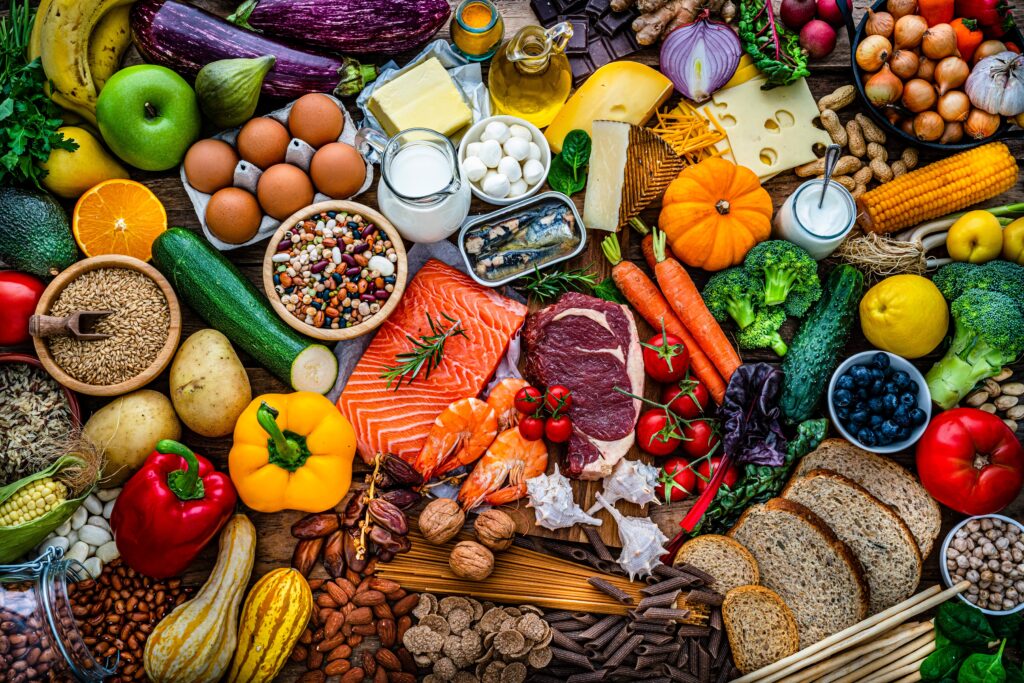
For lunch and dinner on a low-sugar diet, you want a simple formula: protein + fiber-rich carbs + plenty of vegetables + healthy fats.
Good examples include:
- Grilled chicken, fish, tofu, or beans with roasted vegetables and a small portion of whole grains
- Stir-fries with lean protein, mixed vegetables, and a low-sugar sauce
- Big salads with protein, olive oil–based dressing, and optional whole grain on the side
Low-Sugar Diet Mediterranean Bowl
| Ingredient | Quantity (Approx.) | Notes / Benefits |
|---|---|---|
| Grilled chicken or chickpeas | 100–120 g | Protein to stabilize blood sugar and support muscle. |
| Quinoa or brown rice | 60–80 g cooked | Fiber-rich carbs for steady energy. |
| Mixed salad greens | 1–2 cups | Volume, vitamins, very low in sugar. |
| Cherry tomatoes | 4–6 pieces | Natural sweetness, lycopene, antioxidants. |
| Cucumber and bell pepper | ½ cup mixed | Hydrating, crunchy, minimal sugar. |
| Olive oil & lemon dressing | 1–2 tbsp | Healthy fats, no added sugar, enhances flavor. |
This kind of bowl keeps your plate colorful and satisfying without relying on sugary dressings or glazes.
Low-Sugar Snacks and Desserts
You do not have to abandon dessert or snacks; you just choose them more carefully.
- A handful of nuts or seeds
- Plain yogurt with a modest amount of fruit
- Apple or pear slices with nut butter
- A few squares of dark chocolate that are lower in sugar
When you choose whole-food snacks that deliver protein, fiber, or healthy fats, you naturally reduce your need for sugary options.
Adjusting to a Low-Sugar Diet: Cravings and Mindset
What to Expect in the First Weeks
As you cut sugar, you may feel a bit off at first.
- Common early reactions include headaches, irritability, fatigue, or strong cravings, especially if you previously relied on sugary drinks or snacks.
- These symptoms are temporary. Within days to a couple of weeks, many people notice better energy, fewer crashes, and calmer cravings.
Knowing this ahead of time makes it easier to stay the course instead of giving up.
Strategies to Beat Sugar Cravings
You cannot willpower your way through every craving, but you can outsmart them.
Try to:
- Avoid skipping meals; include protein and fiber at each meal so you stay fuller longer.
- Drink enough water; mild dehydration can feel like hunger or cravings.
- Replace “sugar rewards” with non-food habits: a quick walk, a short stretch, a call to a friend, or a hobby.
- Protect your sleep; when you are tired, your body pushes you toward fast energy, often sugar.
Over time, a fiber-rich, low-sugar diet can also support a healthier gut, which may further reduce cravings.
Myths About Low-Sugar Diets
You may hear a lot of confusing claims about sugar and carbs. A few are worth clearing up.
- Myth: “You must cut all carbs.”
A low-sugar diet does not force you to remove whole grains, legumes, fruit, or starchy vegetables. You focus on added sugar and heavily refined products instead. - Myth: “Fruit is bad because it has sugar.”
Whole fruit carries fiber, water, and micronutrients that slow absorption, making it very different from candy or soda. You can keep fruit in your diet, especially lower-sugar options, and simply watch portions if needed.
Once you understand these distinctions, your food choices become much more flexible and sustainable.
Who Should Pay Extra Attention to Sugar?
Some people benefit even more from lowering sugar.
- If you have prediabetes, type 2 diabetes, metabolic syndrome, or a strong family history of these, your sugar intake matters a lot.
- If you are dealing with fatty liver, high triglycerides, or high blood pressure, a low-sugar diet can be a key pillar of your management plan.
If you live with complex medical conditions, are pregnant, or have a history of eating disorders, it is wise to talk with a health professional or dietitian as you make significant changes.
FAQ: Health Benefits of a Low-Sugar Diet
How fast will you feel the benefits of a low-sugar diet?
Some shifts happen quickly. You may notice changes in energy, bloating, and cravings within a few days of cutting added sugar. Objective markers like weight, blood sugar, and cholesterol usually take weeks to months of consistency to show clear improvement.
Can a low-sugar diet help reverse prediabetes?
Yes, lowering added sugars and refined carbohydrates can improve insulin sensitivity and help bring rising blood sugar back toward a healthier range when combined with movement and weight management. Your response is individual, so medical monitoring is essential if you are in the prediabetes or diabetes range.
Is fruit allowed on a low-sugar diet?
In most low-sugar diet patterns, whole fruit is not only allowed but encouraged in moderate portions. Pairing fruit with protein or healthy fat, like nuts or yogurt, helps slow absorption and keep your blood sugar steadier.
Is a low-sugar diet safe for the long term?
For most people, a low-sugar diet built on whole foods matches public health guidelines and is safe and beneficial long term. What tends to fail is an extreme “no sugar ever” mindset, which can feel restrictive; a balanced, flexible approach works better for real life.
Do artificial sweeteners fit a low-sugar diet?
Artificial and non-nutritive sweeteners reduce sugar intake, but research on their long-term impact on metabolism and gut health is mixed. They can be a temporary bridge while you adjust, but gradually reducing your overall sweetness preference and relying more on naturally low-sugar foods is usually a stronger long-term strategy.
Conclusion: Make a Low-Sugar Diet Your New Normal
When you adopt a low-sugar diet, you are not just saying “no” to sweets; you are saying “yes” to more stable energy, a healthier weight, better blood sugar, a stronger heart, and a clearer mind, and you start to feel real low-sugar diet health benefits in your daily life. You do this through everyday actions-checking labels, swapping drinks, building balanced meals-not through perfection or extreme rules, and those low-sugar diet health benefits build up over weeks and months.
If you are ready to make this your new baseline, choose one change you can start today: maybe drop sugary drinks, redesign your breakfast, or create one low-sugar meal you can repeat all week. Then build from there. Your body will notice those small decisions long before you see every number change on a lab report-and that progress can become the foundation of a healthier life.
If you want to go deeper, track your current sugar intake for a week, apply the swaps from this guide, and then reassess how you feel after 30 days. Use what you learn to refine your own low-sugar blueprint so it fits your lifestyle, not someone else’s rulebook.
Follow us on social media for more tips and updates: Instagram, TikTok, Facebook, Pinterest.
Explore our other fitness guides on the Home page.