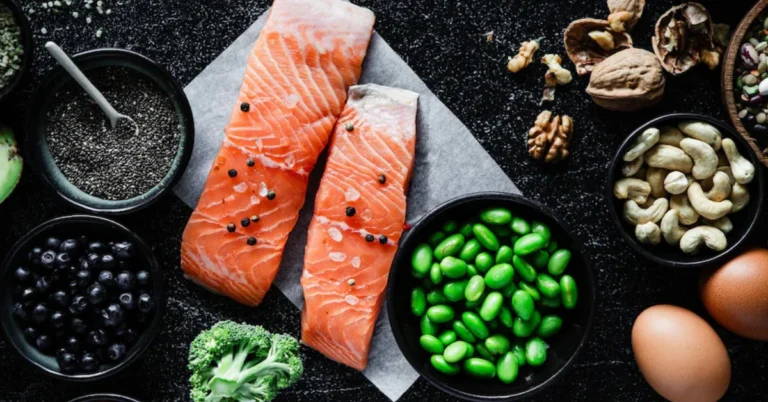
How Intermittent Fasting Affects Your Metabolism: 7 Proven Ways It Dramatically Impacts Metabolic Health

How Intermittent Fasting Affects Your Metabolism
How Intermittent Fasting Affects Your Metabolism has become one of the most discussed topics in modern nutrition. Many people feel stuck in cycles of dieting and low energy, yet see little change in their weight or overall health. Intermittent fasting offers a different approach by focusing on when you eat, not just what you eat. Studies show that shifting your eating window can positively influence metabolic rate, fat burning, energy, and hormonal balance.
If you’re curious about how intermittent fasting affects your metabolism and overall health, this guide will walk you through the latest research, practical tips, meal planning strategies, and answers to the most common questions.
Table of Contents
What Is Intermittent Fasting?
Definition and Popular Methods
Intermittent fasting (IF) is a dietary strategy that alternates between periods of eating and fasting. Unlike traditional diets, IF focuses on timing rather than restricting calories. By adjusting your eating schedule, your body undergoes metabolic changes that may improve fat burning, energy levels, and cellular repair.
Here are the most common methods:
| Method | Fasting Window | Eating Window | Typical Benefits |
|---|---|---|---|
| 16:8 | 16 hours | 8 hours | Supports weight loss, mental clarity |
| 5:2 | 2 non-consecutive days | Normal eating other days | Reduces calorie intake, improves insulin sensitivity |
| Alternate-Day | 24 hours every other day | Normal eating other days | Fat loss, metabolic flexibility |
Key Points:
- IF is about adjusting your meal timing, not starving yourself.
- It works with your body’s natural metabolic rhythm.
- Studies from Cell Metabolism and New England Journal of Medicine support these methods.
How Intermittent Fasting Affects Weight
Caloric Reduction vs. Metabolic Changes
When you fast, your eating window narrows, naturally lowering calorie intake without strict restriction. But the benefits go beyond just calories. Fasting triggers hormonal changes that support fat metabolism. Insulin levels drop, allowing your body to use stored fat for energy.
Fat Loss and Muscle Preservation
Research shows intermittent fasting promotes fat loss while preserving lean muscle. Unlike crash diets that can reduce both fat and muscle, IF helps maintain your strength and energy.
Data from Studies:
- Weight loss ranges from 3–8% over 3–12 weeks for participants practicing IF.
- Waist circumference often decreases, reflecting fat loss, especially around the abdomen.
- Source: Obesity Reviews, JAMA Network.
How You Can Track Results
- Measure weight weekly, not daily.
- Track waist or body fat percentage.
- Keep an energy and mood journal to notice non-scale benefits.
Effects on Metabolism
Insulin Sensitivity and Blood Sugar Regulation
A major benefit of intermittent fasting is enhanced insulin sensitivity. Fasting lowers insulin levels, enabling your body to use stored fat. This helps control blood sugar and lowers the risk of type 2 diabetes.
- Studies show IF can reduce fasting insulin levels by 20–31%.
- Blood sugar levels stabilize, improving energy and focus.
Hormonal Responses
Fasting triggers several hormones:
- Norepinephrine increases, boosting fat burning.
- Human growth hormone (HGH) rises, aiding muscle preservation and metabolism.
- Cortisol may temporarily rise but generally normalizes, supporting energy balance.
Resting Metabolic Rate (RMR)
Contrary to myths, short-term fasting does not slow your metabolism. In fact, it may increase resting metabolic rate slightly, helping your body burn more calories even at rest.
- Study in American Journal of Clinical Nutrition showed a 3.6–14% increase in metabolic rate during short-term fasting periods.
Energy Levels and Mental Clarity
Cognitive Benefits
Intermittent fasting is not just about physical health; it also affects your brain. Many participants report:
- Improved mental clarity and focus.
- Enhanced memory and alertness.
- Reduced “brain fog,” especially after adapting to fasting schedules.
Energy Fluctuations
During the first week of fasting, you might experience fatigue, headaches, or irritability. These symptoms usually pass as your body adapts to using fat as a primary energy source.
Tips for Sustained Energy:
- Stay hydrated and maintain electrolyte balance.
- Include protein-rich meals during eating windows.
- Avoid processed sugars that spike and crash energy.
Intermittent Fasting Recipes and Meal Planning

Eating well during your eating window is essential. These recipes support metabolism, energy, and overall health.
Sample Meal Table for 16:8 Fasting
| Meal | Ingredients | Preparation Time | Benefits |
|---|---|---|---|
| Breakfast (12 PM) | Avocado, eggs, spinach, olive oil | 10 min | Protein, healthy fats |
| Lunch | Grilled chicken, quinoa, roasted vegetables | 20 min | Balanced macros, fiber |
| Snack | Greek yogurt, berries, nuts | 5 min | Protein, antioxidants |
| Dinner | Baked salmon, broccoli, sweet potato | 25 min | Omega-3s, complex carbs |
How Intermittent Fasting Affects Your Metabolism: Meal Planning Tips
- Focus on whole, minimally processed foods.
- Balance macronutrients: protein, fats, carbs.
- Avoid overeating during eating windows.
- Include plenty of vegetables and high-fiber foods.
Common Mistakes and How to Avoid Them
- Skipping water or electrolytes: Hydration is key.
- Overeating in eating windows: Stick to balanced portions.
- Ignoring sleep and activity levels: Sleep supports metabolism and hunger regulation.
- Choosing extreme fasting schedules too quickly: Start gradually to allow your body to adapt.
Source: Harvard Health, Mayo Clinic.
FAQs About Intermittent Fasting and Metabolism
Does intermittent fasting slow down your metabolism?
No. Short-term fasting often slightly increases metabolism while promoting fat utilization.
How long does it take to see results?
You may notice improved energy within the first week. Weight loss and metabolic benefits often appear within 2–4 weeks.
Can women follow intermittent fasting safely?
Yes, but monitor menstrual cycles and energy levels. Some women may benefit from shorter fasting periods or alternate schedules.
What is the best intermittent fasting method for metabolism?
16:8 is the most studied and sustainable method for most adults, balancing fasting benefits with manageable eating windows.
Conclusion
Intermittent fasting offers more than a diet trend. By adjusting when you eat, you support your metabolism, promote fat loss, maintain energy, and enhance mental clarity. The research shows consistent benefits for weight, insulin sensitivity, and hormonal balance.
To get started:
- Choose a fasting schedule that fits your lifestyle.
- Focus on whole, nutrient-rich foods during eating windows.
- Track your progress and adjust gradually.
Your metabolism responds to timing, consistency, and quality. Experiment safely, stay patient, and notice how your energy and body composition change over time.
Call-to-Action: Begin your intermittent fasting journey today. Track your meals, try the sample recipes, and share your progress with friends or in online communities. Your metabolism is ready for a reset—make the first step now.
Follow us on social media for more tips and updates: Instagram, TikTok, Facebook, Pinterest.
Explore our other fitness guides on the Home page.