
Gut Microbiome and Mental Health: What the Research Really Says
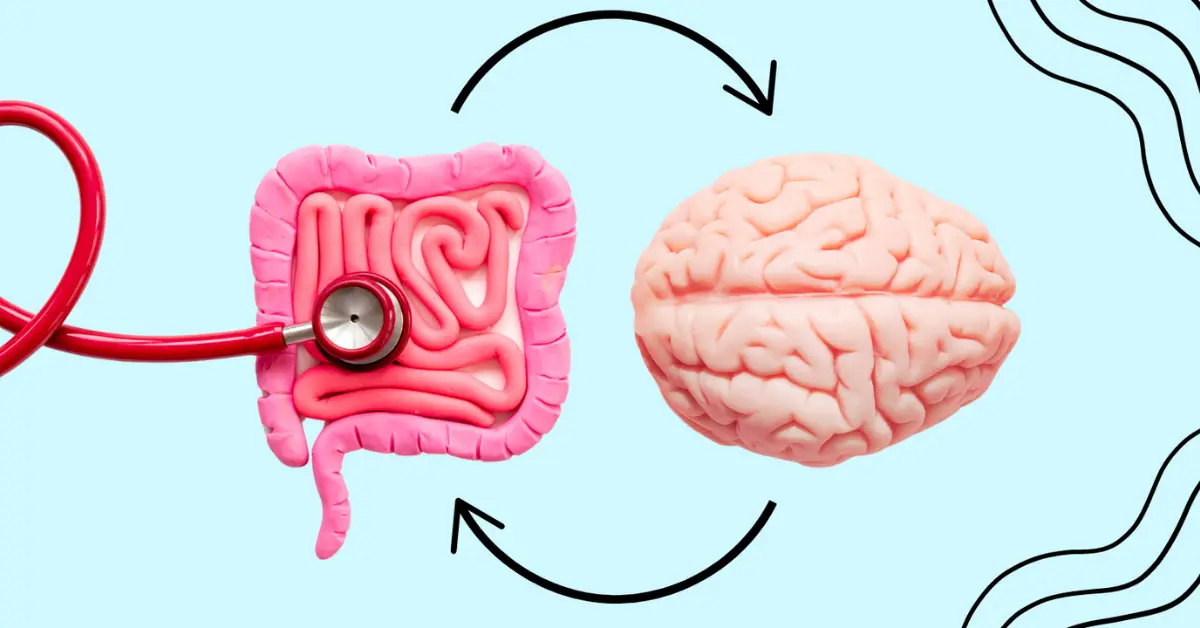
Gut microbiome mental health is a topic gaining attention for its surprising impact on your mood, focus, and overall well-being. Have you ever felt anxious, foggy, or unusually down without a clear reason why? You might blame stress, lack of sleep, or your daily routine. But emerging research suggests that part of the explanation could be hidden deeper than your conscious mind-inside your gut. Your gut is home to trillions of bacteria and microorganisms collectively known as the gut microbiome, and studies reveal it might play a crucial role in your mental health.
Understanding this link isn’t just scientific curiosity-it’s a doorway to improving your mood, mental clarity, and emotional resilience. In this article, you’ll explore what research really says about gut microbiome mental health, practical ways to support your gut, and actionable steps to nurture your mind from within.
Table of Contents
Understanding Gut Microbiome Mental Health
What Is the Gut Microbiome?
that live in your digestive tract. These tiny inhabitants are more than just passive residents; they actively influence how you digest food, absorb nutrients, and maintain a healthy immune system. Maintaining a balanced gut microbiome mental health is essential for supporting not only digestion but also emotional and cognitive well-being.
In fact, some of these microbes produce neurotransmitters like serotonin and gamma-aminobutyric acid (GABA), which play a role in regulating your mood. The diversity and balance of these bacteria are crucial, not just for digestion but also for emotional and cognitive health. Supporting your gut microbiome mental health can help reduce stress, improve mood, and enhance overall mental resilience.
Key functions of your gut microbiome:
- Digestion: Helps break down complex foods and absorb nutrients.
- Immune support: Protects against harmful pathogens.
- Neurochemical production: Contributes to neurotransmitters that affect mood and cognition.
- Gut-brain communication: Influences brain function through the gut-brain axis.
A healthy gut microbiome is diverse, meaning it has a wide range of bacterial species. Factors like diet, stress, antibiotics, and lifestyle can disrupt this balance, potentially affecting both your physical and mental well-being.
The Gut-Brain Connection
How Your Gut Affects Mental Health
The gut and brain communicate constantly through a complex network called the gut-brain axis. This bidirectional system involves nerves (like the vagus nerve), hormones, and immune system signals. Simply put, what happens in your gut can directly influence your mind-and vice versa. Supporting a healthy gut microbiome mental health is key to maintaining emotional balance and overall well-being.
For example, some bacteria in your gut produce serotonin, often referred to as the “feel-good” neurotransmitter. Low levels of serotonin are associated with depression and anxiety, suggesting that maintaining a balanced gut could improve your mood.
Ways your gut impacts your mental health:
- Mood regulation: Certain gut bacteria produce compounds that help stabilize your emotions.
- Stress response: An imbalanced microbiome may heighten your stress hormones.
- Cognitive function: Microbial diversity may influence memory, focus, and clarity.
Recent studies highlight that improving gut health can reduce anxiety and depressive symptoms, supporting the idea that your mental well-being is closely intertwined with your gut.
Common Gut Imbalances and Mental Health Effects
Signs Your Gut Might Be Out of Balance
You may not always realize that your gut is out of sync. Here are some common signs:
- Digestive issues: bloating, constipation, diarrhea.
- Mental fog: difficulty concentrating, forgetfulness.
- Mood swings: irritability, anxiety, depressive feelings.
- Fatigue: feeling unusually tired even after enough sleep.
Gut Dysbiosis and Mental Health Disorders
Gut dysbiosis refers to an imbalance in your gut microbiome, often involving a reduction in beneficial bacteria. Research links dysbiosis to various mental health issues:
- Depression: People with depressive symptoms often show decreased microbial diversity.
- Anxiety: Imbalances in gut bacteria may trigger stress responses in the brain.
- Neurodevelopmental disorders: Studies suggest links between microbiome composition and conditions such as autism spectrum disorder.
Although the research is promising, it’s important to note that not all mental health issues are caused by gut imbalances—your gut is one piece of a complex puzzle.
Optimizing Gut Health for Mental Well-being
Dietary Approaches
Your diet is one of the most powerful tools to shape your gut microbiome. By choosing the right foods, you can support healthy bacterial growth and improve your mood naturally.
Key dietary strategies include:
- Prebiotics: Fibers that feed beneficial bacteria, found in garlic, onions, asparagus, and bananas.
- Probiotics: Live beneficial bacteria in yogurt, kefir, kimchi, and sauerkraut.
- Balanced nutrition: Emphasize whole, plant-rich foods and reduce processed foods and sugars.
- Polyphenols: Antioxidants in berries, green tea, and dark chocolate may support gut diversity.
Here’s a handy table for easy reference:
| Food Type | Example Ingredients | Mental Health Benefits |
|---|---|---|
| Prebiotics | Garlic, Onions, Asparagus | Supports healthy bacterial growth |
| Probiotics | Yogurt, Kefir, Kimchi | May reduce anxiety and depressive symptoms |
| Fiber-rich foods | Whole grains, Beans, Lentils | Supports microbiome diversity |
| Polyphenols | Berries, Green tea, Dark chocolate | May reduce inflammation and stress |
Lifestyle Factors
Diet isn’t the only factor. Your daily habits play a major role in gut health:
- Stress management: Chronic stress can harm your gut bacteria. Meditation, yoga, or deep breathing can help.
- Sleep hygiene: Poor sleep disrupts microbial balance; aim for 7–9 hours.
- Physical activity: Regular exercise supports healthy microbial diversity.
- Antibiotics and medications: Use only when necessary, as they can disrupt gut balance.
Incorporating these lifestyle strategies can enhance the benefits of a gut-friendly diet and support overall mental wellness.
Scientific Evidence and Research Insights
Recent Studies
- Probiotics and depression: A 2022 meta-analysis found that participants taking probiotics experienced a noticeable reduction in depressive symptoms over 8 weeks.
- Gut diversity and anxiety: Research shows individuals with higher microbial diversity report lower anxiety scores.
- Fecal microbiota transplants (FMT): Experimental studies suggest transplanting gut microbiota can influence mood and behavior in animals.
Limitations of Current Research
While these findings are promising, it’s important to stay grounded:
- Some studies have small sample sizes.
- Cause-and-effect relationships are not fully established in humans.
- Animal studies may not always translate directly to human results.
Despite these limitations, nurturing your gut is a low-risk strategy that could complement other mental health approaches.
Practical Tips for Supporting Your Gut Microbiome
Here are actionable steps to improve your gut and mental well-being:
- Include fermented foods daily: Yogurt, kimchi, sauerkraut, kefir.
- Eat a variety of plant-based foods: Diversity feeds different beneficial bacteria.
- Manage stress: Meditation, journaling, or a hobby can lower cortisol levels.
- Stay active: Exercise supports healthy gut diversity.
- Limit processed foods and added sugars: These can disrupt microbial balance.
Sample 1-Day Gut-Friendly Meal Plan
| Meal | Ingredients | Gut Benefits |
|---|---|---|
| Breakfast | Greek yogurt with berries and flaxseed | Probiotics, fiber, polyphenols |
| Lunch | Quinoa salad with chickpeas, spinach, onions | Prebiotics, fiber |
| Snack | Kefir smoothie with banana and chia seeds | Probiotics, prebiotics |
| Dinner | Grilled salmon with roasted asparagus and garlic | Omega-3s, prebiotics |
FAQ Section
Can the gut microbiome really affect my mental health?
Yes. Studies show a strong link between gut bacteria balance and mood, anxiety, and cognition. Improving gut health can positively influence mental well-being.
Which foods support a healthy gut microbiome?
Focus on prebiotic fibers (onions, garlic), probiotic foods (yogurt, kefir, kimchi), fiber-rich whole foods, and polyphenol-rich fruits and vegetables.
How long does it take to see mental health improvements from gut-friendly changes?
Some studies report noticeable mood improvements in 4–12 weeks with consistent diet and lifestyle adjustments.
Can probiotics replace therapy or medication for mental health issues?
No. While probiotics support mental wellness, they are not a substitute for professional treatment. Use them as a complementary approach alongside therapy or medication if recommended.
Conclusion
The evidence is clear: your gut microbiome mental health plays a significant role in your overall well-being. By nurturing your gut through diet, lifestyle, and mindful habits, you can positively influence your mood, reduce anxiety, and enhance cognitive function, directly supporting your gut microbiome mental health.
Start small-add a daily serving of fermented food, include more fiber-rich plants, and prioritize sleep and stress management. These simple steps can create a ripple effect, supporting both your gut and your mind.
Your mental well-being begins in your gut. Take action today and observe the transformation in how you feel, think, and live.
Call-to-Action:
If you found this guide helpful, share it with a friend who’s looking to boost their mental health naturally. Start implementing one gut-friendly habit today and notice the difference it makes in your mood and energy!
Follow us on social media for more tips and updates: Instagram, TikTok, Facebook, Pinterest.
Discover more science-backed health guides in our Health Science Explained category, or explore our other fitness guides on the Home page.