Intermittent Fasting Evidence: What Science Really Tells You About Its Benefits

You’ve probably heard countless stories about intermittent fasting—the promise of effortless weight loss, better energy, and improved health markers. Maybe you’ve tried skipping meals or restricting calories, only to feel frustrated, hungry, or exhausted. The question isn’t whether intermittent fasting works in theory; it’s whether the intermittent fasting evidence truly supports its benefits and how it can fit into your lifestyle sustainably.
In this guide, you’ll discover what studies actually reveal about intermittent fasting, explore the most reliable intermittent fasting evidence available today, learn practical ways to implement it, and understand how to maximize its potential without harming your health.
Table of Contents
What is Intermittent Fasting? A Quick Overview
Intermittent fasting (IF) isn’t a traditional diet; it’s an eating schedule that cycles between periods of eating and fasting. Instead of restricting what you eat, IF centers on when you eat.
Here are the most common methods:
16/8 Method: Fast for 16 hours and eat during an 8-hour window, often by skipping breakfast and eating between 12 PM and 8 PM.
5:2 Method: Eat normally for five days of the week, then limit intake to about 500–600 calories on two non-consecutive days.
Alternate-Day Fasting: Rotate between days of regular eating and days of fasting or consuming very few calories.
Key Points to Know About Intermittent Fasting
- Time-restricted eating helps reduce overall caloric intake.
- IF is different from crash diets—it’s about structure, not deprivation.
- Common misconceptions: IF isn’t just skipping breakfast, and it doesn’t automatically lead to nutrient deficiencies if planned properly.
The Intermittent Fasting Evidence: What Studies Actually Show
With so much hype around intermittent fasting, it’s easy to wonder which claims are real. Here’s a breakdown of what the science tells you.
Weight Loss and Body Composition
One of the most appealing aspects of intermittent fasting is its potential to help you lose fat while preserving muscle. Studies show:
- IF can lead to 3–8% weight loss over 3–24 weeks in overweight adults.
- Fat loss occurs mainly in the abdominal region, which is linked to improved metabolic health.
- Muscle mass is largely preserved if protein intake and strength training are maintained.
Takeaway: IF can be as effective—or sometimes more effective—than traditional calorie-restricted diets, and it can simplify your routine by reducing the number of meals you plan and prepare.
Metabolic Health
Research also highlights improvements in metabolic markers:
- Insulin sensitivity improves, which can help regulate blood sugar levels.
- Fasting glucose levels may decrease by 3–6% in overweight individuals.
- Inflammatory markers, such as C-reactive protein (CRP), are often reduced, potentially lowering your risk of chronic diseases.
Tip: Pairing intermittent fasting with a nutrient-dense diet amplifies these benefits.
Heart Health and Cholesterol
Your heart may benefit from IF as well. Evidence shows:
- LDL (“bad”) cholesterol and triglycerides often decrease.
- HDL (“good”) cholesterol levels may remain stable or increase.
- Blood pressure can drop slightly in overweight participants.
Summary Table: Effects of Intermittent Fasting on Health Markers
| Health Marker | Typical Improvement | Study Reference |
|---|---|---|
| Body weight | 3–8% loss | Varady et al., 2013 |
| Fasting glucose | 3–6% reduction | Sutton et al., 2018 |
| LDL cholesterol | 10–15% reduction | Tinsley & La Bounty, 2015 |
| Blood pressure | 5–10 mmHg drop | Bhutani et al., 2013 |
Longevity and Cellular Health
While most longevity data come from animal studies, intermittent fasting is thought to promote autophagy—the process where cells repair and recycle damaged components. This could theoretically slow aging and reduce disease risk.
- Animal studies: Extended lifespan in mice and rats under IF protocols.
- Human studies: Limited but promising evidence of cellular repair markers and reduced oxidative stress.
Keep in mind: Human longevity benefits are still under investigation, and IF should complement a balanced lifestyle rather than replace it.
Intermittent Fasting Recipes and Meal Planning
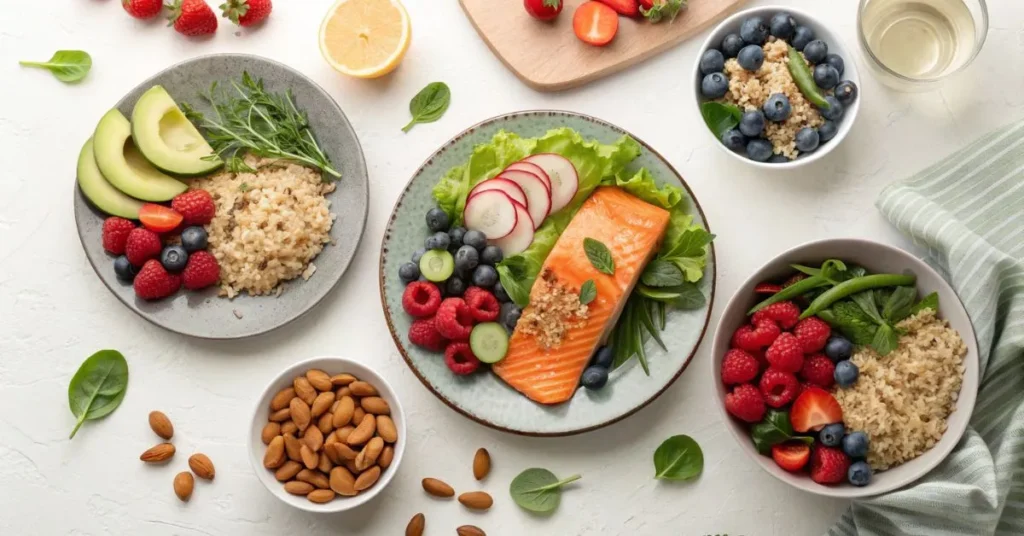
Implementing IF successfully requires a strategic approach to meals, ensuring you get enough nutrients while staying within your eating window.
Sample 16/8 Eating Window Plan
| Meal | Ingredients | Calories (approx) |
|---|---|---|
| Breakfast (10:00 AM) | Greek yogurt, berries, chia seeds | 250 |
| Lunch (1:00 PM) | Grilled chicken, quinoa, broccoli | 450 |
| Snack (4:00 PM) | Almonds, apple | 200 |
| Dinner (7:00 PM) | Baked salmon, sweet potato, spinach | 500 |
Meal Prep Tips
- Prepare meals ahead of time to avoid breaking your fast impulsively.
- Include high-protein foods to preserve muscle mass.
- Drink plenty of water, herbal tea, or black coffee while you’re fasting.
Pros and Cons of Intermittent Fasting
Benefits
- Fat loss and metabolic improvements without complex dieting.
- Simplicity: fewer meals, less decision fatigue.
- Potential longevity and cellular health benefits.
Potential Downsides
- Hunger, irritability, or fatigue during early adaptation.
- Not suitable for everyone: pregnant women, children, or those with certain health conditions.
- Social challenges: timing meals around family or social gatherings can be tricky.
How to Maximize the Benefits of Intermittent Fasting
Combine IF With Nutrient-Dense Diet
- Prioritize whole foods, lean proteins, healthy fats, and vegetables high in fiber.
- Avoid using IF as an excuse to eat highly processed or sugary foods.
Exercise Timing
- Morning fasted workouts may increase fat utilization.
- Strength training in your eating window ensures proper recovery.
Sleep and Stress Management
- Sleep deprivation can negate IF benefits by increasing hunger hormones.
- Stress management (meditation, deep breathing) helps maintain consistency.
Common Myths About Intermittent Fasting
Myth 1: Skipping breakfast slows metabolism
- Evidence: Short-term fasting does not significantly reduce metabolic rate; your body adapts by increasing fat utilization.
Myth 2: IF leads to muscle loss
- Evidence: Maintaining protein intake and resistance training largely preserves muscle mass.
Myth 3: Everyone should do IF
- Evidence: IF is safe for many, but not all. Individual health status, lifestyle, and personal preference should guide your choice.
FAQ Section: Intermittent Fasting Evidence
Does intermittent fasting really work for weight loss?
Yes. Multiple meta-analyses confirm that IF can produce significant fat loss, comparable to standard calorie-restricted diets.
Is intermittent fasting safe for everyone?
Not entirely. Pregnant women, individuals with diabetes on medication, and those with a history of eating disorders should avoid IF without medical supervision.
Can intermittent fasting improve longevity?
Animal studies show extended lifespan, while human studies indicate improved cellular repair and metabolic markers. Long-term evidence is still limited.
How often should I fast to see results?
Most people start with 16/8 daily or 5:2 twice a week. Benefits often appear within 2–4 weeks, but consistency is key.
Conclusion
Intermittent fasting isn’t a magic bullet, but the intermittent fasting evidence strongly supports its effectiveness for weight loss, metabolic health, and even potential longevity. Its simplicity and flexibility make it an appealing option for many, but it should always be tailored to your needs and lifestyle.
By combining intermittent fasting with whole foods, proper hydration, exercise, and quality sleep, you can maximize its benefits while staying healthy and energized.
Take Action Today: Start by choosing a fasting schedule that fits your routine, plan your meals in advance, and track your progress consistently. By applying the latest intermittent fasting evidence to your daily habits, you can take control of your health and finally achieve sustainable, long-lasting results.
Follow us on social media for more tips and updates: Instagram, TikTok, Facebook, Pinterest.
Discover more science-backed health guides in our Health Science Explained category, or explore our other fitness guides on the Home page.